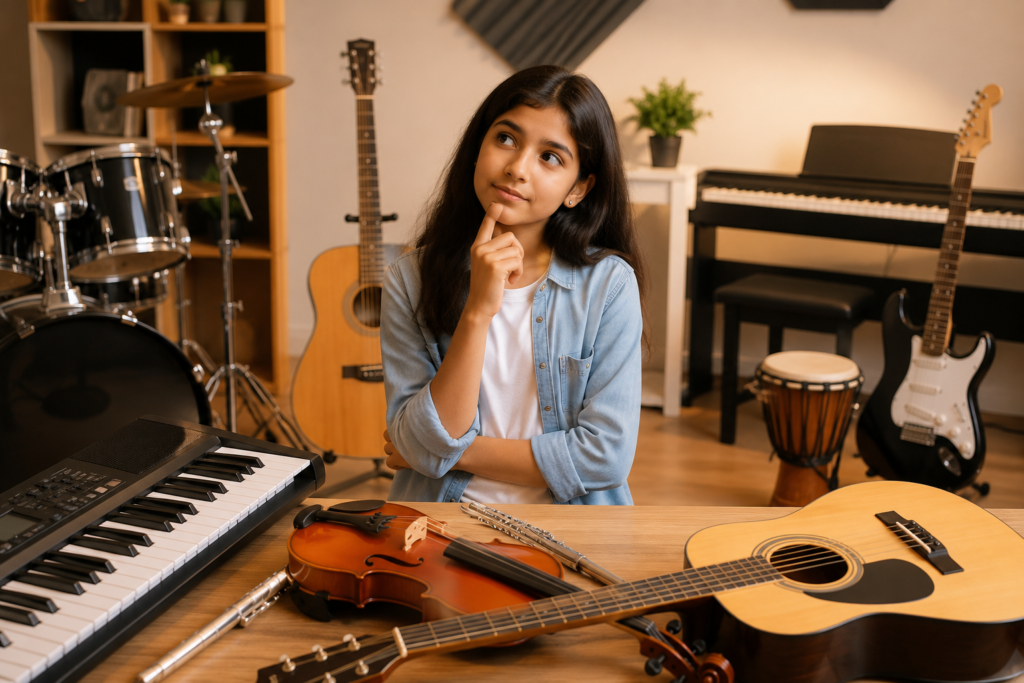
Learning music is one of the most rewarding journeys a person can begin. Whether you’re a child taking your first music lesson or an adult finally pursuing a lifelong dream, choosing the right musical instrument is the first and most important step. The right instrument makes learning enjoyable, keeps you motivated, and builds a strong musical foundation.
However, with so many options available—guitar, piano, keyboard, violin, drums, flute, ukulele, and more—it can be difficult for beginners to decide where to start.
This guide will help you understand the key factors to consider before choosing an instrument so you can begin your musical journey with confidence.
Why Choosing the Right Instrument Matters
Every musical instrument has its own unique sound, playing style, and learning curve. Choosing an instrument simply because it’s popular may not always be the best decision.
When beginners select an instrument that matches their personality, interests, and physical comfort, they are more likely to:
- Stay motivated
- Practice regularly
- Enjoy learning
- Progress faster
- Continue playing for years
A good choice creates a positive learning experience from the very beginning.
1. Consider Your Musical Interests
The easiest way to stay committed to music is by choosing an instrument you genuinely enjoy listening to.
Ask yourself:
- Which type of music do I enjoy?
- Which instrument catches my attention?
- Do I enjoy singing along with music?
- Would I like to perform on stage someday?
For example:
- Love pop and acoustic songs? → Guitar
- Enjoy classical music? → Piano or Violin
- Like energetic performances? → Drums
- Love melodies? → Flute or Keyboard
- Prefer singing? → Vocal training with Keyboard support
When you enjoy the sound of your instrument, practicing becomes much more enjoyable.
2. Think About Your Age
Age plays an important role when selecting a beginner-friendly instrument.
Young Children (4–7 Years)
Children usually learn best with instruments that are simple and easy to handle.
Recommended options include:
- Keyboard
- Ukulele
- Basic Piano
- Small Percussion Instruments
- Beginner Vocal Classes
These instruments help children develop rhythm, coordination, and listening skills.
Older Children (8–15 Years)
As children grow, they have better finger strength and concentration.
Popular choices include:
- Guitar
- Piano
- Violin
- Drums
- Flute
At this age, students can also begin learning music theory alongside practical lessons.
Teenagers and Adults
Older beginners can successfully learn almost any instrument depending on their interests and dedication.
Many adults begin with:
- Guitar
- Keyboard
- Piano
- Vocals
- Ukulele
Remember—it’s never too late to start learning music.
3. Match the Instrument to Your Personality
Your personality often influences which instrument you’ll enjoy most.
Creative and Expressive
- Piano
- Guitar
- Vocals
Energetic and Active
- Drums
- Percussion
Calm and Patient
- Violin
- Flute
Social Performer
- Guitar
- Keyboard
- Singing
Choosing an instrument that fits your natural personality makes learning more enjoyable.
4. Consider Physical Comfort
Not every instrument suits every individual.
Before making a decision, consider:
- Hand size
- Finger strength
- Height
- Posture
- Breathing ability (for wind instruments)
For younger children especially, selecting an age-appropriate instrument prevents frustration and encourages proper technique.
A music instructor can help determine whether an instrument is physically suitable for a beginner.
5. Set a Realistic Budget
Musical instruments are available at different price ranges.
Beginners don’t always need expensive professional equipment.
For example:
- Entry-level keyboards are affordable.
- Beginner acoustic guitars offer excellent value.
- Student violins are available at reasonable prices.
- Practice drum pads are less expensive than full drum kits.
Instead of purchasing premium instruments immediately, beginners should invest in a reliable starter model and upgrade later as their skills improve.
6. Understand the Learning Curve
Some instruments are easier to begin with than others.
Beginner-Friendly Instruments
- Keyboard
- Ukulele
- Guitar
- Piano
Moderate Learning Curve
- Drums
- Flute
Requires More Patience
- Violin
- Classical Guitar
This doesn’t mean difficult instruments should be avoided. It simply means beginners should be prepared for consistent practice and gradual improvement.
7. Think About Practice Space
Before selecting an instrument, consider where you’ll practice.
Ask yourself:
- Do I have enough room?
- Will the instrument create too much noise?
- Can I practice regularly without disturbing others?
For apartments or shared homes:
- Keyboard with headphones
- Acoustic Guitar
- Ukulele
- Digital Piano
These options allow quiet practice while maintaining good sound quality.
8. Availability of Qualified Teachers
Learning becomes much easier with professional guidance.
Before choosing an instrument, check whether qualified teachers or music schools offer lessons nearby or online.
Experienced instructors help students:
- Build correct techniques
- Avoid bad habits
- Stay motivated
- Track progress
- Prepare for performances and examinations
Structured learning significantly improves the overall experience.
9. Long-Term Goals
Ask yourself what you hope to achieve through music.
Your goals might include:
- Playing for fun
- Singing confidently
- Performing live
- Joining a band
- Preparing for music examinations
- Building a professional music career
Your future goals may influence your instrument choice.
For example:
Someone interested in songwriting may enjoy guitar or piano, while someone dreaming of orchestral performances may prefer violin or flute.
10. Try Before You Decide
One of the best ways to choose an instrument is by trying it.
Many music schools allow beginners to:
- Attend demo classes
- Listen to instructors
- Try multiple instruments
- Ask questions
- Understand basic techniques
Hands-on experience often makes the decision much easier than simply watching online videos.
Popular Beginner Instruments Compared
| Instrument | Difficulty | Suitable Age | Best For |
|---|---|---|---|
| Keyboard | Easy | 5+ | Melody, music theory |
| Piano | Easy–Moderate | 6+ | Classical and modern music |
| Guitar | Moderate | 8+ | Pop, rock, acoustic music |
| Ukulele | Easy | 5+ | Young beginners |
| Violin | Moderate–Advanced | 7+ | Classical music |
| Flute | Moderate | 8+ | Melody and breath control |
| Drums | Moderate | 8+ | Rhythm and coordination |
| Vocals | Easy | Any age | Singing and performance |
Common Mistakes Beginners Should Avoid
Many beginners quit because they make avoidable mistakes.
Here are a few to watch out for:
- Choosing an instrument based only on trends.
- Buying expensive equipment before learning.
- Expecting quick results.
- Skipping regular practice.
- Learning without proper guidance.
- Comparing progress with others.
Remember that every musician learns at a different pace. Consistency matters far more than speed.
Why Learning with Professional Guidance Makes a Difference
Although self-learning resources are widely available, structured music education offers significant advantages.
Professional instructors help students:
- Develop proper posture and technique
- Understand rhythm and music theory
- Correct mistakes early
- Build confidence
- Stay motivated through regular feedback
- Prepare for stage performances and certifications
Learning from experienced teachers also makes the journey more enjoyable and organized.
Conclusion
Choosing the right musical instrument is the beginning of an exciting and rewarding journey. There is no single “best” instrument for everyone—the ideal choice depends on your interests, age, personality, goals, and learning style.
Whether you dream of playing the guitar, mastering the piano, singing confidently, or exploring the violin, selecting an instrument that inspires you is the key to long-term success.
At Spardha School of Music, beginners receive expert guidance from experienced instructors who help students discover the instrument that best matches their interests and abilities. With personalized lessons, practical training, and performance opportunities, students can build confidence while developing a lifelong love for music.